
Professional Tree Removal & Cutting Services Near Me
If you have a leaning tree, storm-damaged limbs, roots lifting walkways, or a tree too close to your roof, professional removal reduces risk to people and property. This page explains what to expect from a safe tree removal, how to spot urgent hazards, and how cutting, pruning, and cleanup typically work—so you can make the right decision without guesswork.
When Tree Removal Is the Safest Option
Some trees can be saved with trimming and cabling, but others become unsafe due to decay, storm damage, poor structure, or proximity to buildings and power lines. A professional assessment helps determine whether removal is necessary, what equipment is needed, and how to protect your home and yard during the job.
Storm Damage & Hanging Limbs
Broken branches, split trunks, and hanging limbs can fall without warning—especially after wind or ice.
Leaning or Uprooting Risk
Sudden lean changes, heaving soil, or exposed roots can signal instability that needs urgent attention.
Dead or Decaying Trees
Dead canopies, hollow areas, fungus at the base, or soft wood often indicate internal decay and failure risk.
Too Close to Roofs & Lines
Trees over roofs or near power lines may require controlled cutting to reduce property and safety hazards.
What to Expect From a Professional “Near Me” Tree Service
A good tree removal plan focuses on safety first—clear access, controlled cuts, and protection for nearby structures. Here’s the typical process used for cutting and removal when scheduling allows.
On-Site Risk Check
Identify hazards like decay, lean direction, weak unions, roof proximity, and nearby utility lines.
Safe Cut Plan
Choose controlled sectioning, rigging, and drop zones to prevent damage to the home, fence, or landscaping.
Removal & Cleanup
Cut and remove wood safely, chip limbs where possible, and clear debris so the property looks normal again.
Stump Options
Discuss stump grinding or cutting low, depending on future landscaping, replanting, or construction plans.
Prevention Guidance
Get practical trimming and maintenance tips to reduce future storm breakage and repeat hazards.
Clear Next Steps
Understand timelines, access needs, and what to do if the situation is urgent (storm, hanging limb, blocking access).
Tree Removal, Cutting & Cleanup Services Near You
Whether you need a hazardous tree removed, storm debris cleared, or a trimming plan to reduce risk, these are common “near me” tree service requests. Each option focuses on safe cutting, controlled removal, and practical guidance so you understand what’s needed and why—especially when trees are near roofs, driveways, fences, or utility lines.
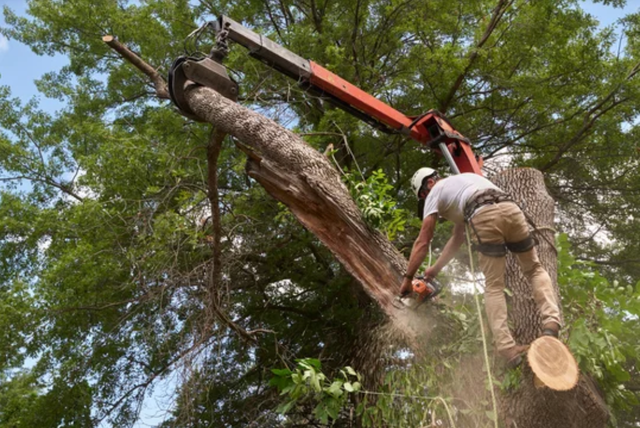
Hazardous Tree Removal
If a tree is leaning, dying, or threatening your roof, driveway, or fence, removal may be the safest option. Controlled section cutting reduces risk and protects nearby structures.
Best for unsafe trees and high-risk locations
Call for removalEmergency Storm Damage Cleanup
After storms, hanging limbs and fallen branches can be dangerous. We help with safe cutting, debris removal, and clear next steps if a tree is partially down or pressing on structures.
Great for post-storm hazards and urgent clearing
Get storm help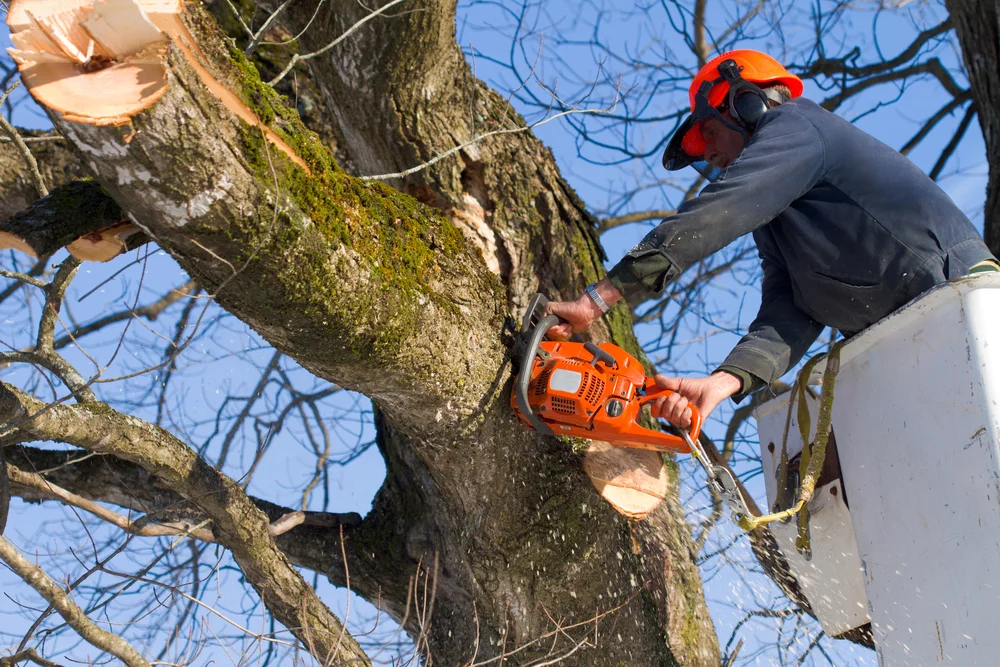
Tree Cutting & Trimming
Trimming can reduce roof overhang risk, improve clearance over driveways, and remove weak or rubbing branches. A trimming plan helps prevent repeat storm breakage.
Ideal for overgrown limbs and roofline clearance
Schedule trimmingDebris Hauling & Yard Cleanup
After cutting or storms, debris piles can become a safety issue and attract pests. Cleanup and haul-away restores access and leaves the property neat and usable again.
Best for branch piles, brush, and yard clutter
Book cleanupRemoval Near Homes & Roofs
Trees near buildings require careful section cutting and drop-zone planning. The goal is safe removal without damaging siding, gutters, decks, fences, or landscaping.
Recommended for tight spaces and close-to-home trees
Talk through your riskStump Options & Planning
After removal, you can grind the stump, cut it low, or plan a landscape replacement. We’ll explain the pros/cons based on yard use, roots, and future projects.
Great if you want a clean yard finish
Discuss stump options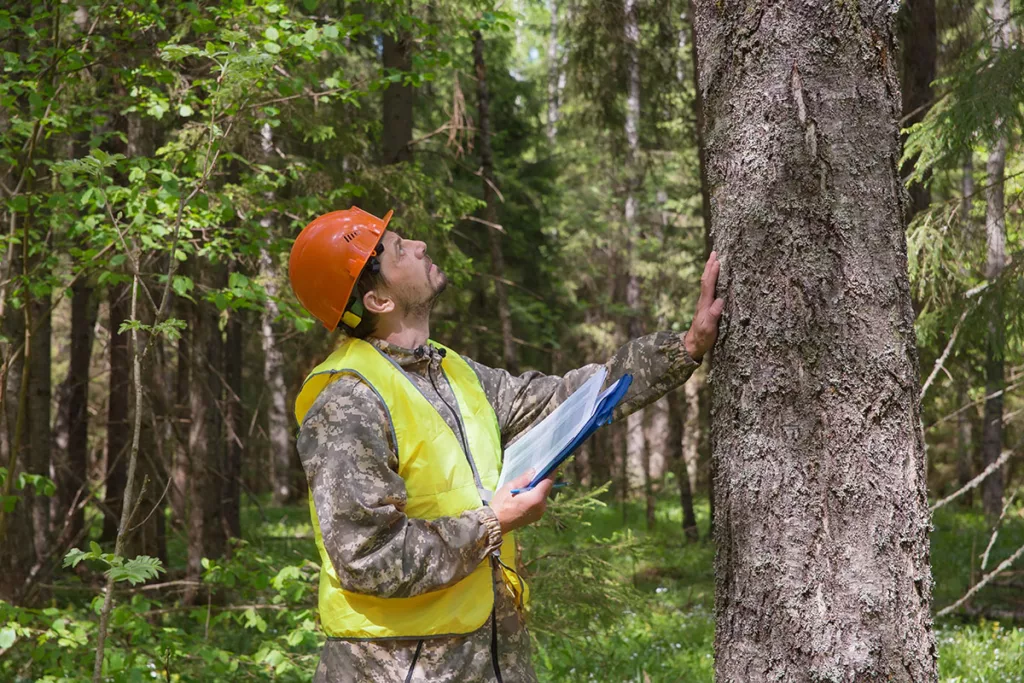
Risk Checks & Maintenance Plans
Many tree problems are preventable with routine trimming and monitoring. A maintenance plan helps reduce limb failure risk and keeps trees safer through storms.
Ideal for large trees near homes
Set a planSmall Cutting & Minor Removals
Not every job is a full removal. Small trees, minor limb hazards, and yard overgrowth can be handled with targeted cutting and cleanup to keep the property safe and tidy.
Perfect for smaller hazards and quick wins
Get help todayTree Removal & Cutting FAQs
Quick answers homeowners ask when searching “professional tree removal services near me.”
How do I know if a tree is dangerous?
Watch for sudden leaning, cracked soil near the base, dead canopy sections, fungus at the trunk, large cracks, and hanging limbs after storms. If it’s near a roof or power lines, treat it as urgent.
Is trimming enough or do I need removal?
Trimming can help when the tree is healthy but overgrown or has weak branches. Removal is more common when there’s significant decay, repeated limb failure, major lean, or the tree threatens structures.
What should I do after a storm?
Stay away from hanging limbs and downed lines, keep kids/pets inside, and avoid cutting large limbs yourself. A professional can safely evaluate what’s stable, what’s hanging, and what must be removed first.
Do you remove the stump too?
Stump removal depends on your plan. Some homeowners grind the stump for a clean yard finish, while others cut low and leave it if it won’t interfere with landscaping or construction.
How can I reduce future tree risks?
Routine trimming, removing deadwood, keeping trees cleared from roofs, and addressing weak branch unions early can reduce breakage risk during heavy wind, snow, and storms.
Need Tree Removal or Cutting Near You?
If you’re dealing with a dangerous tree, storm damage, or branches too close to your roof, it’s worth getting a professional assessment and a clear plan. Call now to discuss your situation and next steps.
Call +1 (888) 709-1181